
Machine learning (ML) is developing at a breakneck speed and it will continue to do so throughout 2024. Technological advancements are constantly reshaping the rules of artificial intelligence and the way it impacts technology and society and machine learning itself is that technology that shapes AI.
One of the key areas to watch includes advancements in deep learning algorithms that make it possible for more accurate and efficient models. These models could then do tasks like computer vision, natural language processing, and predictive analytics even better, and even faster. Machine learning should be able to integrate with other emerging technologies, like quantum computing and edge computing. These are still theoretical plans that might seem a bit like science fiction, but they open up new frontiers for real-time, distributed, and ultra-fast processing.
1. Living in the Future With AI in Everyday Life
Machine learning is steadily but surely permeating daily lives in ways many people might not expect. Your car, for example, might now anticipate your schedule and plan the most optimal route, factoring in real-time traffic conditions and your typical departure times. Back home, your smart thermostat could adjust the temperature depending on both weather forecasts and your presence and comfort level preferences.
Beyond these examples, machine learning has found a spot in domains like healthcare, finance, transportation, and (perhaps best known) entertainment. Autonomous vehicles using ML algorithms can easily move around complex urban environments by interpreting sensor data and making decisions in real time. Smart home assistants learn your routines and preferences, too. They can make your morning coffee just the way you like it or suggest entertainment based on your viewing history.
2. Chatting with AI
Next, let’s talk about natural language processing (NLP). In 2023, natural language processing algorithms have reached a remarkable level of understanding and generating human language and 2024 is going to push them even further. These algorithms can engage in deep, meaningful conversations and even grasp nuances like sarcasm, context, and even the occasional dad joke. The barrier between human and machine communication has been significantly diminished.
NLP algorithms can now comprehend and express language in ways that were previously unimaginable and more associated with the world of science fiction. They can interpret the subtleties and complexities of human communication, allowing for natural and fluid interactions. They can understand the implications of a figurative phrase or recognize the humorous intent behind a play on words. This level of linguistic sophistication is no longer exclusive to humans.
However, while these advancements are impressive, they are not here to replace human communication or creativity; nor should they. Rather, they are tools that can augment human abilities.
3. Multimodal AI
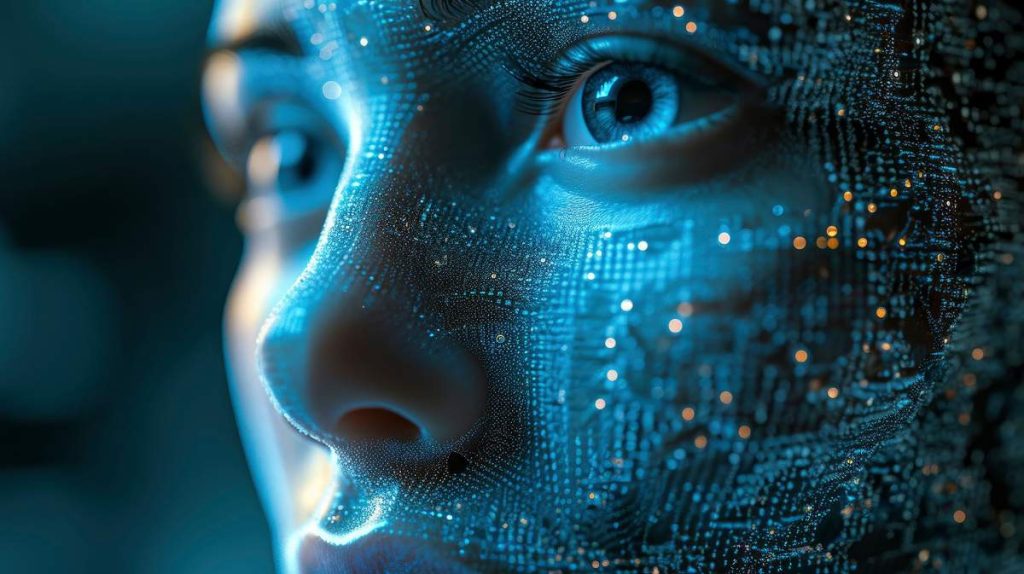
Multimodal AI is one of the most exciting developments and represents baby steps towards artificial general intelligence (AGI). Instead of being limited to processing just one type of data, like text or images alone, it can handle multiple formats at once. That way, it gains insights that are more comprehensive and nuanced.
While this technology has already shown promise in 2023, the 2024 goal is to see it more integrated. For example, when OpenAI introduced a version of ChatGPT that can interpret images, read documents, and analyze data, it substantially altered the usefulness of the tool. At first, all these different aspects were somewhat disjointed and not always cooperating effectively with each other. Multimodal AI is the approach to changing that. Its primary function is breaking down barriers between different data formats that typically need different learning datasets and neural networks to process.
In healthcare, multimodal AI could analyze a patient’s medical records, which might include text reports, X-ray or MRI scans, and audio recordings of their symptoms. When considering all this data together, the multimodal AI can give physicians a more accurate diagnosis or treatment plan.
Similarly, customer service chatbots that use multimodal AI can understand queries regardless of whether you type them out, speak them aloud, or share a picture. Their versatility makes the interaction feel more natural, even though you’re still talking to a bot.
4. Computer Vision and More
Computer vision, AR, and VR are trends that could have an impact on everything online and in the real world as well. All have made a moderate splash throughout the 2010s, but AI integration could make them something completely different. Computer vision, in particular, could help doctors spot diseases earlier or make self-driving cars smarter about where they’re going. Then there’s AR and VR, which are going to make learning a lot more fun and engaging, whether in a classroom or training for a flight. These technologies are also set to shake things up in manufacturing, making simulations so real you could think you’re right in the middle of the production.
5. XAI and No More Secretive AI
Let’s talk about Explainable AI (XAI). This concept is what AI should’ve always been. Explainable AI (XAI) makes the inner workings of artificial intelligence transparent and understandable. In the past, AI models were often opaque “black boxes” – their decision-making was a mystery to the end user. That’s far from ideal. If people are to trust in AI’s decision-making, they need transparency. XAI lifts the veil on how AI arrives at its conclusions.
With XAI, the doctor reviewing an AI system’s diagnostic recommendation for a patient can see the reasoning behind that recommendation. They get to know the data points and logic the AI used to reach its assessment. Or consider someone denied a loan. XAI can help them understand exactly why the AI made that decision based on their credit history, income, biases, and other factors. If the person finds the decision objectionable, they can use this insight to fight for their rights and take back control.
6. Sustainability Through AI
Another one of the many standout trends of 2024 is the focus on sustainability through AI. Machine learning is making systems smarter while also making them more energy-efficient and environmentally friendly. Innovations in AI are helping to optimize everything from energy consumption in data centers to reducing waste in manufacturing processes. This is significant because, ironically, while AI could contribute substantially to technology going greener, AI itself is rather energy-hungry and contributes to heightened consumption. The graphical processing power necessary to run AI models is particularly staggering. So, AI-powered sustainability is a way to even out the costs and rewards.
7. AI in Healthcare
Surprisingly enough, healthcare seems to come up time and again when discussing machine learning. There’s a good reason for this, though. After all, artificial intelligence experienced a never-before-seen boom right after the pandemic, so the clash was seemingly inevitable. AI algorithms are now capable of analyzing vast amounts of medical data, from patient records to genetic information, to provide more specific treatment recommendations. This trend is making healthcare more predictive and personal to the individual, not just the illness.
8. Quantum Machine Learning (QML) and Transfer Learning

Quantum machine learning (QML) is rather significant because it combines the elusive but always wonderful world of quantum computing with machine learning. The idea behind this theory or trend is being able to solve complex problems way faster than before. Then there’s transfer learning, which makes artificial intelligence models smarter by letting them apply what they’ve learned from one task to something completely new. In a way, it’s a means for AI to teach itself without having to be fed new raw data.
On a similar note, let’s not forget about data augmentation, a clever way to create more data for training AI models, even when it seems like there is no more data left to feed it.
9. AI-driven Cybersecurity and Anomaly Detection
AI security systems are increasingly adept at predicting and preventing attacks before they can wreak havoc, either on individuals or companies. They guard the increasingly interconnected world against malicious actors using the power of advanced algorithms and vast datasets. These systems can identify unusual patterns and anomalies that might otherwise go unnoticed.
Anomaly detection is another interesting and significant trend and is closely related to cybersecurity. The AI has a keen eye for spotting anything out of the ordinary in data, which is likely to help catch fraud or prevent system failures before they happen.
10. The Rise of Federated Learning
Federated learning is a new way for artificial intelligence to learn and train. It makes it possible for data to stay on a local device while still contributing to the training of a global model. It’s a more secure and private way to use data in AI training. It’s particularly relevant considering that AI has raised questions about data privacy, scraping without the original user’s consent, and more. Federated learning is a way to harness the collective power of data without compromising individual privacy.
New Year, New AI Trends
These are just some of the leading machine-learning trends of 2024 and beyond. Machine learning is getting ever more relevant and varied, and these trends are just the tip of the iceberg. The future is certainly promising and guaranteed to bring a substantial shift to society, culture, work, and entertainment. And it’s machine learning that stands behind all this spectacular advancement.


